
Live Streaming Resilience
Executive Summary
MediaKind described operational and workflow considerations for large-scale live streaming tied to the 2026 World Cup, including concurrency, event volume, and delivery-network peak throughput. The material also outlined how origin services such as Akamai’s MSL5 live origin fit into low-latency streaming and live archive workflows, and emphasized that planning extends beyond raw scale to include capacity, limits, and operational readiness.
Key Industry Developments
- MediaKind cited audience concurrency and event volume figures from its work across the 2026 World Cup, including “Twenty-five million concurrent viewers” and “1,784 streaming events generated from 104 matches.”
- MediaKind reported delivery-network peak throughput during the World Cup final, stating that “Akamai reported a peak of 201 terabits per second during the World Cup final.”
- Akamai’s MSL5 live origin was described as a jointly positioned component where the origin service is “powered by MediaKind technology and operated by Akamai,” with explicit support for low-latency streaming and live archive use cases.
Real-World Use Cases
- Large-scale live sports streaming to high concurrent audiences was described using a concrete concurrency figure tied to the 2026 World Cup.
- High-volume live event operations were illustrated with a count of streaming events and matches, indicating how a single sports tournament can translate into many discrete streaming outputs.
- Low-latency streaming and live archive workflows were explicitly associated with Akamai’s MSL5 live origin capabilities.
Why It Matters
Concurrency and throughput metrics provide concrete reference points for engineering teams sizing live streaming systems and delivery capacity, including scenarios where tens of millions of concurrent viewers and multi-terabit peaks are possible. The cited event and match counts show how operational load can scale not only with audience size but also with the number of distinct streaming events produced from a single tournament. The positioning of Akamai’s MSL5 live origin as an origin service “powered by MediaKind technology and operated by Akamai” highlights a workflow model where origin capabilities are paired with delivery-network operations, and where low-latency streaming and live archive are treated as explicit use cases rather than implicit byproducts.
Sources
- MediaKind — “Live Streaming Resilience: MediaKind & Akamai on Scale” https://www.mediakind.com/blog/when-the-world-is-watching-scale-is-only-the-beginning/
Related News
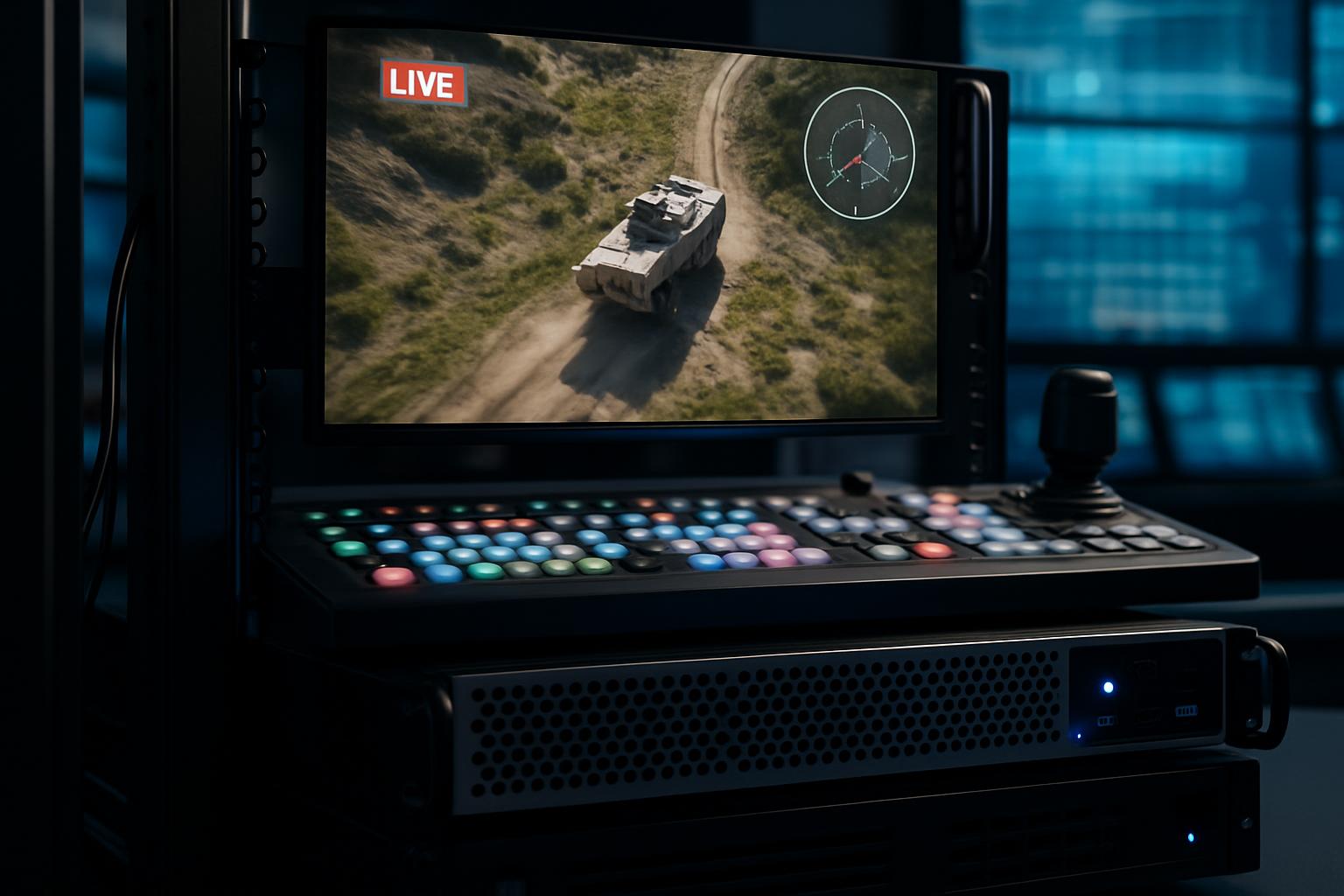
Haivision Adds Live Video to TAK Enhancing ISR
Live Video in TAK - Haivision describes the use of Tactical Assault Kit (TAK) operations in defense, public safety, and ISR contexts, with an emphasis on live video as...
Read More →
Bridge Technologies and Heynen expand IP monitoring for production visibility
Bridge Technologies described an expanded partnership with Heynen in the Netherlands, moving from a reseller agreement to a broader Business Partner collaboration. The...
Read More →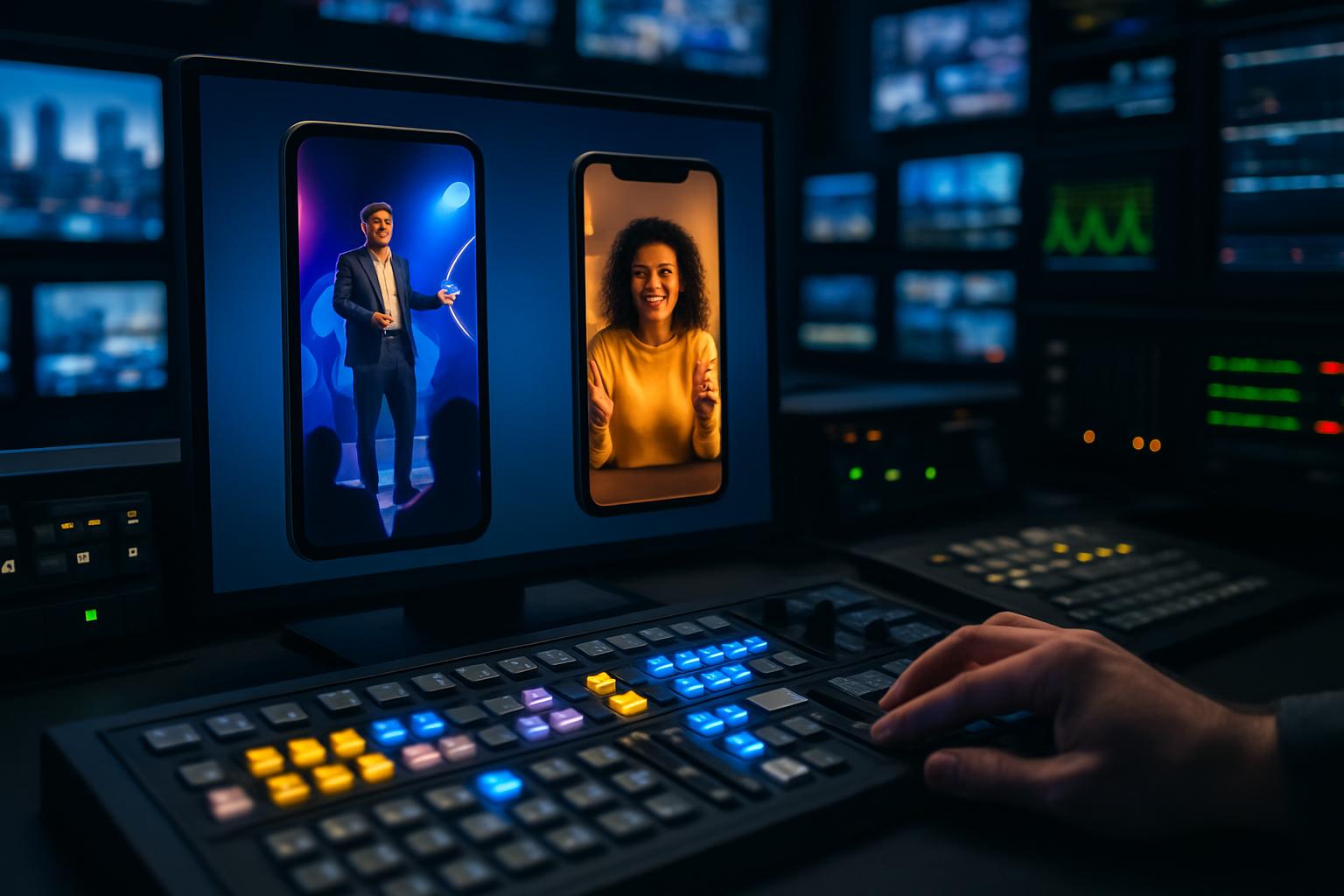
StreamingMedia Enables Dual-Orientation Streaming to Expand Reach
Live video workflows can be designed to serve audiences who watch in different device orientations by producing and delivering both vertical and horizontal versions of...
Read More →