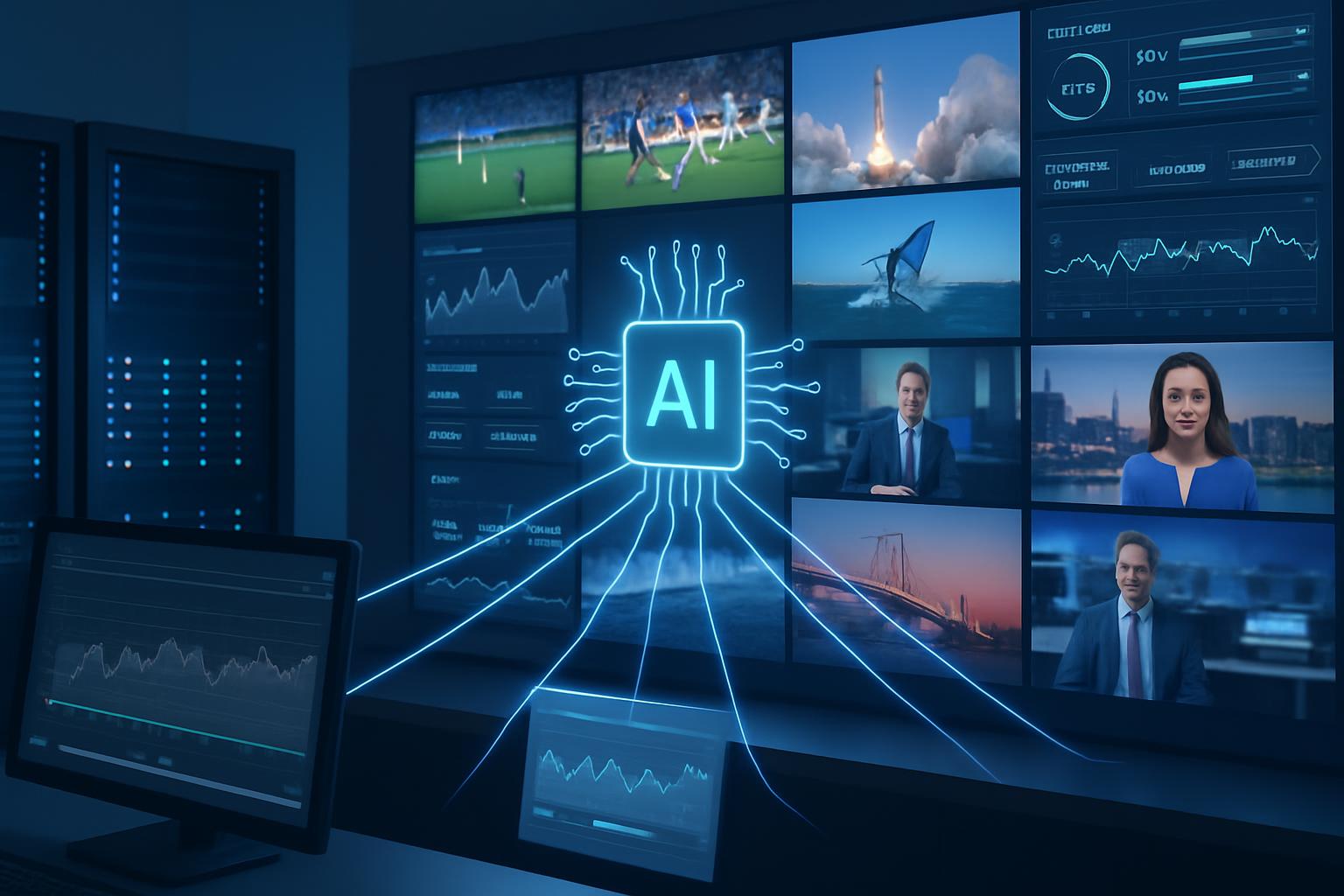
Mediakinds AI Control Plane Synchronizes Live Video Processing
Published on July 14, 2026
AI Orchestration for Live
Executive Summary
Media companies are integrating AI capabilities directly into live video pipelines to process live content, with proof-of-concept work spanning speech-to-captions, voice translation, ad break detection, and sports highlights extraction. The operational challenge described is coordinating multiple AI systems from different vendors while maintaining resiliency and security. One approach presented is an AI Orchestration Service positioned as a unified control plane that runs AI processing in parallel to the core video pipeline, with workflow elements such as latency alignment/synchronization and security/health checks that can revert to the source feed if needed.
Key Industry Developments
- Media workflows for live streaming are incorporating AI functions inside the live pipeline, including speech-to-captions, voice translation, ad break detection, and voice cloning as tested AI applications.
- A unified orchestration layer is described as a way to manage multiple AI applications and vendors, framed as an AI Orchestration Service.
- The orchestration model described keeps AI processing parallel to the video pipeline rather than inline, aiming to avoid destabilizing the broadcast ecosystem while still enabling live AI applications.
- Deployment and integration details include availability as a stand-alone SaaS and integration with specific MediaKind products used in live streaming workflows.
Real-World Use Cases
- A live sports streaming scenario is referenced involving a U.S. rightsholder streaming MLB games, indicating a concrete environment where live AI processing and orchestration could be applied.
- Live captioning and translation workflows are represented by the set of AI applications explicitly listed: speech-to-captions and voice translation. These functions map to live accessibility and multilingual distribution needs in streaming pipelines.
- Live monetization and compliance-adjacent workflows are represented by ad break detection as an AI application, which can be used to identify break opportunities in live streams.
Why It Matters
Running AI applications in parallel to the video pipeline provides a technical pattern for adding AI-derived outputs without placing AI models directly in the critical path of live broadcast processing. This approach is paired with orchestration functions that can coordinate multiple AI applications while addressing operational requirements such as synchronization and health monitoring, and it is presented as a stand-alone SaaS option that can integrate into existing MediaKind streaming products. Together, these details describe a workflow architecture for deploying live AI features while attempting to preserve stability of the core live video pipeline.
Sources
- https://www.mediakind.com/blog/ai-adoption-for-live-streaming-is-now-a-reality-why-ai-orchestration-service-matters/
Related News
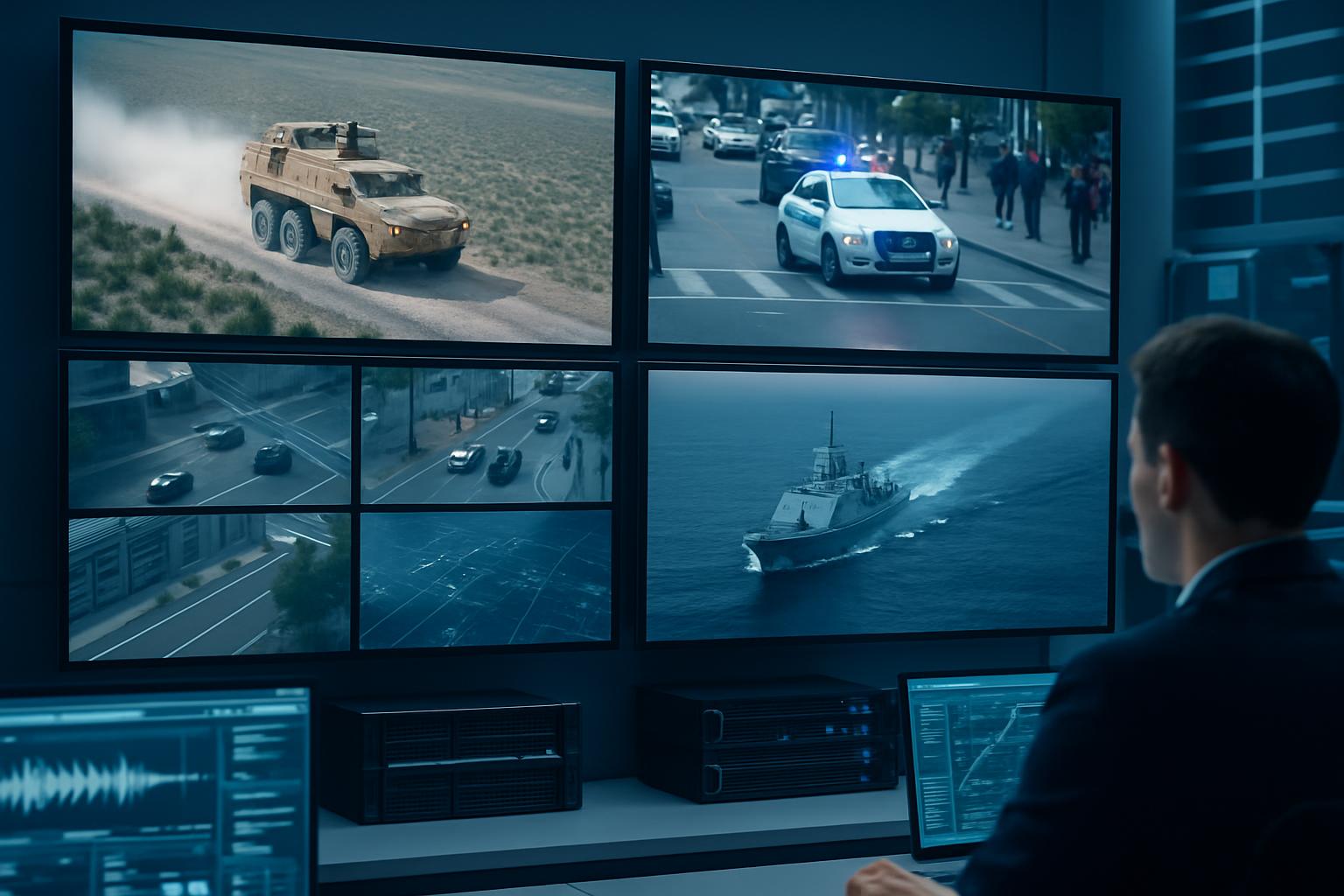
Haivision ISR Video Strengthens Defense Public Safety Awareness
ISR video is positioned as a component of video ecosystems that support situational awareness in defense and public safety contexts. The available source material prov...
Read More →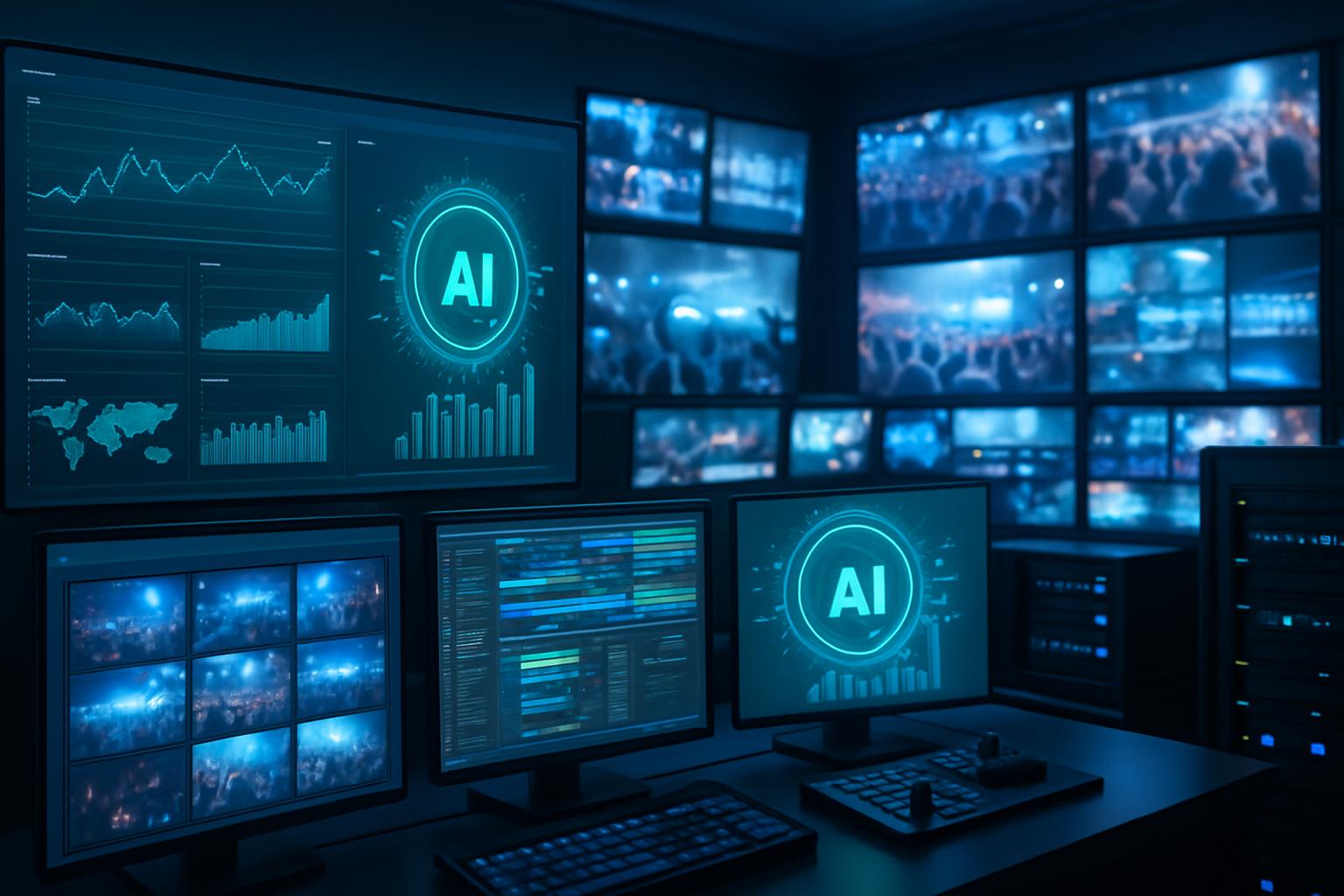
StreamingMedia: Agentic AI Ads Optimize Live-Event Scalability
Two themes are highlighted in the provided sources: infrastructure readiness for large-scale live events and the application of agentic AI workflows to streaming adver...
Read More →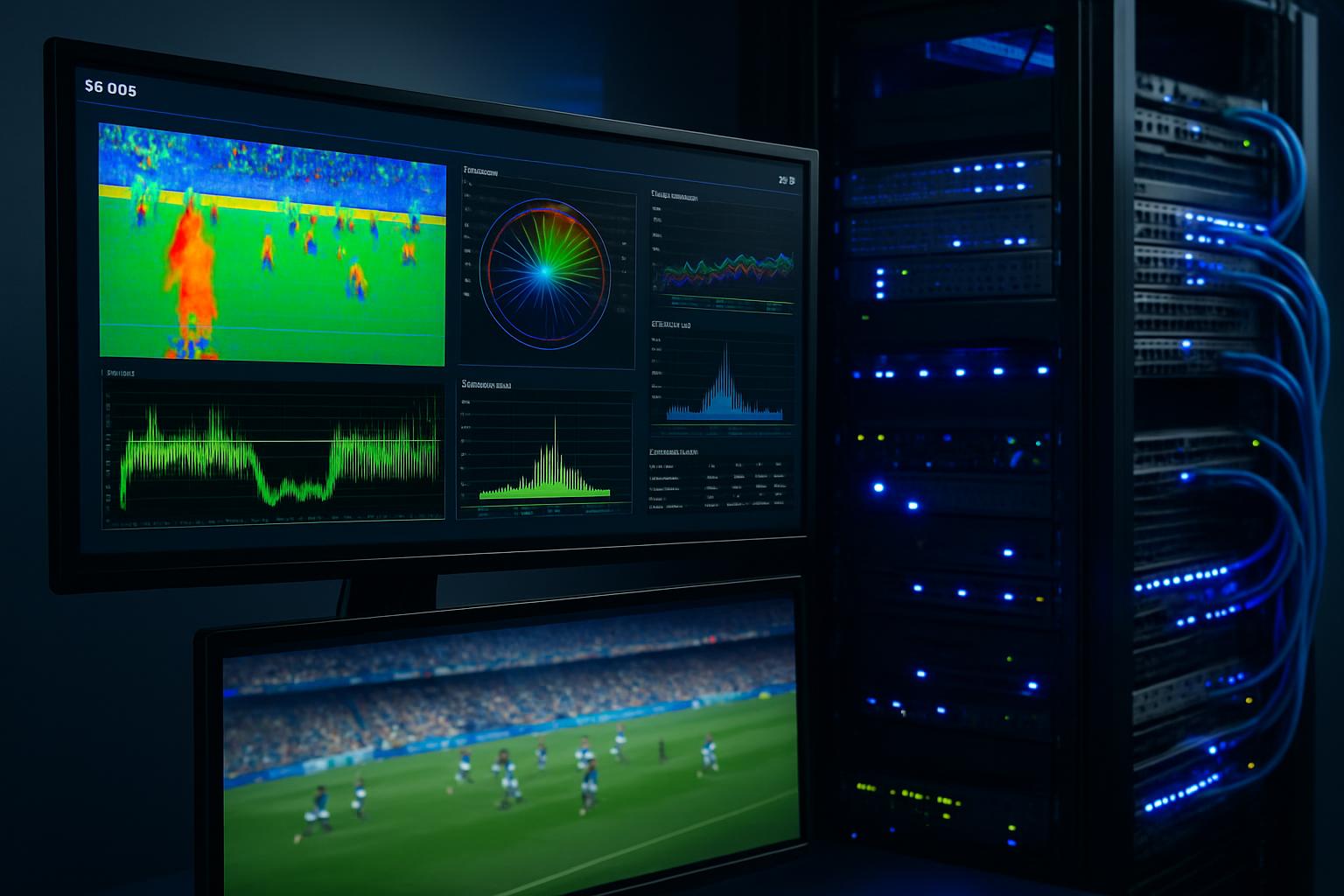
YES Network uses VB440 to secure ST 2110
YES Network moved from an SDI-based facility design to a SMPTE ST 2110 IP environment at its Stamford studios, using a phased approach that introduced IP alongside exi...
Read More →