← Back to News
StreamingMedia: AI-Powered Live Streaming Cuts System Sprawl
Published on March 30, 2026
AI and Unified Media Workflows
Executive Summary
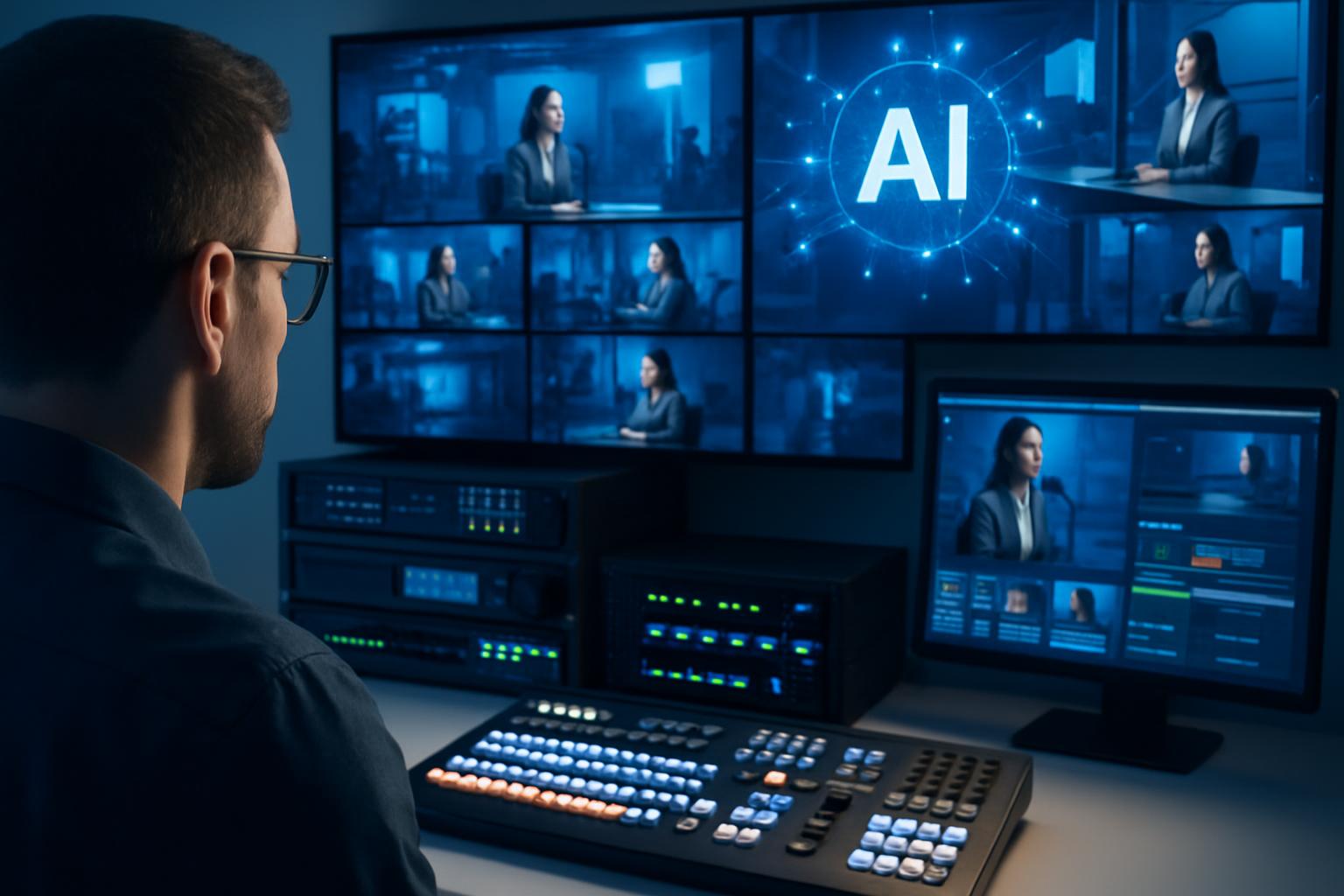
- AI is described as having “steadily crept into the live streaming technology stack,” with relevance framed across both production and monetization workflows.
- A separate workflow trend emphasizes consolidation: a single platform can combine multi-channel encoding/decoding, recording, routing, and mixing through modular hardware design.
Key Industry Developments
- AI is positioned as an increasingly present layer in live streaming systems, with its impact characterized as either incremental or profound depending on where it is applied in the workflow.
- AI relevance is explicitly framed for “live event producers and engineers,” indicating a focus on operational and technical decision-making rather than purely experimental use.
- AI coverage spans “From production to monetization,” indicating that discussion is not limited to content creation tasks but also includes revenue-related workflow areas.
- Consolidated media-center platforms are described as reducing system sprawl by combining multiple broadcast functions into one unit, rather than distributing them across separate appliances.
Real-World Use Cases
- Live streaming workflow analysis includes AI considerations across production and monetization, with an explicit note that there are “some areas where, surprisingly, it hasn't” become relevant, implying selective applicability within end-to-end live operations.
- A unified media-center approach is represented by a platform that supports multi-channel encoding/decoding, recording, routing, and mixing, enabling these functions to be executed within a single system rather than stitched together from multiple devices.
- Modular expansion is described through “freely combined card modules,” which implies a configurable hardware workflow where capabilities can be assembled to match specific channel-count and processing needs.
- The stated outcome of consolidation and modularity is workflow simplification and efficiency improvement, tied directly to reducing the number of separate systems required for a complete broadcasting setup.
Why It Matters
- For live event producers and engineers, AI’s growing presence in the live streaming stack creates a practical need to distinguish where AI is relevant in workflows and where it is not, rather than assuming uniform applicability.
- When production and monetization are both included in the AI discussion scope, evaluation criteria can extend beyond creative or operational tasks to include revenue-related workflow considerations.
- Consolidating encoding/decoding, recording, routing, and mixing into one platform can reduce integration complexity by minimizing reliance on separate systems for core broadcast functions.
- A modular card-based design supports tailoring a unified system to specific workflow requirements, aligning system configuration with the needed combination of media-processing functions.
Sources
- https://www.streamingmedia.com/Articles/Editorial/Featured-Articles/The-State-of-AI-In-Live-Streaming-173245.aspx
- https://www.streamingmedia.com/Articles/Editorial/Spotlights/Kiloview-Cradle-Series-RFO2-The-Ultimate-Unified-Media-Center-168716.aspx
Related News
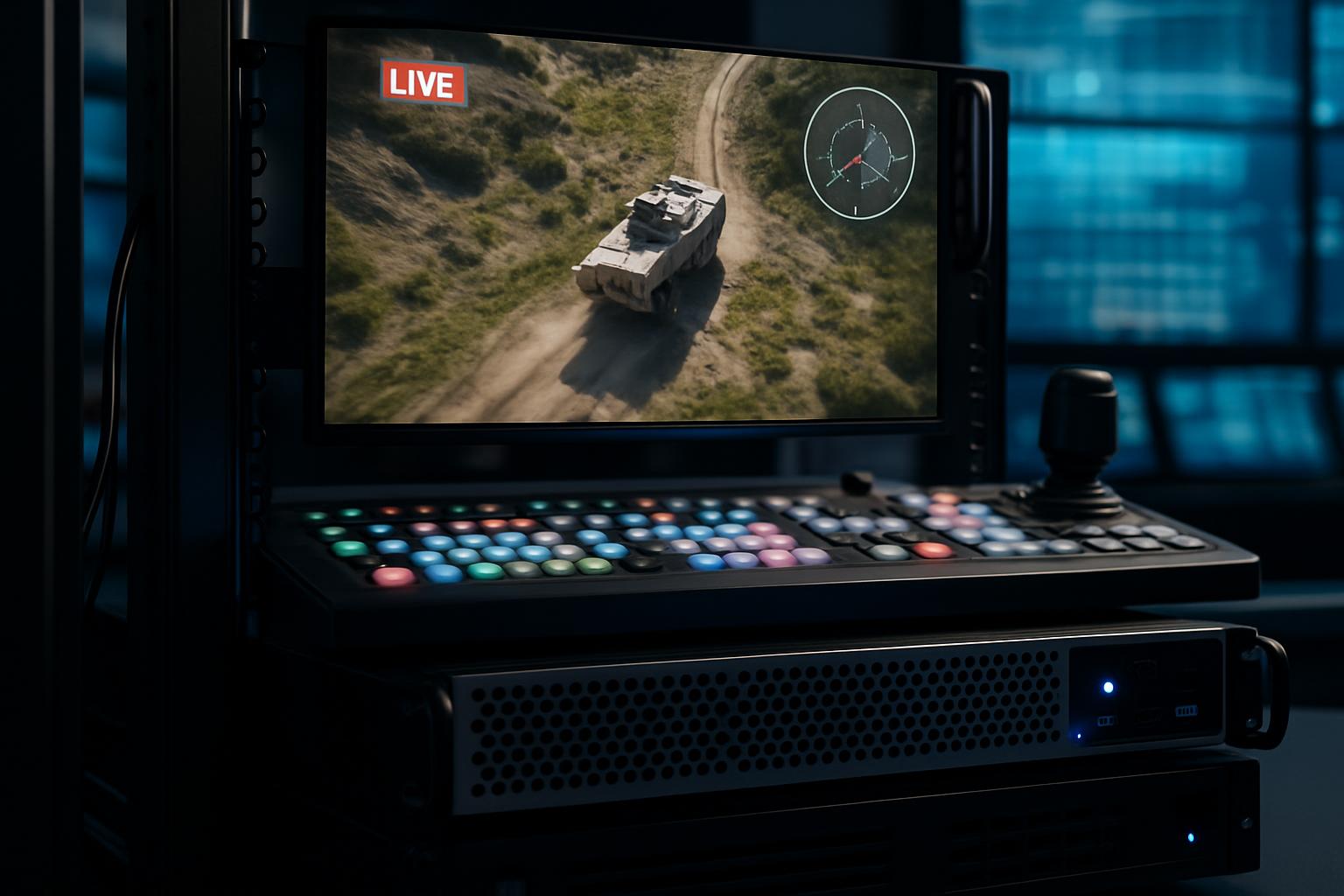
Haivision Adds Live Video to TAK Enhancing ISR
Live Video in TAK - Haivision describes the use of Tactical Assault Kit (TAK) operations in defense, public safety, and ISR contexts, with an emphasis on live video as...
Read More →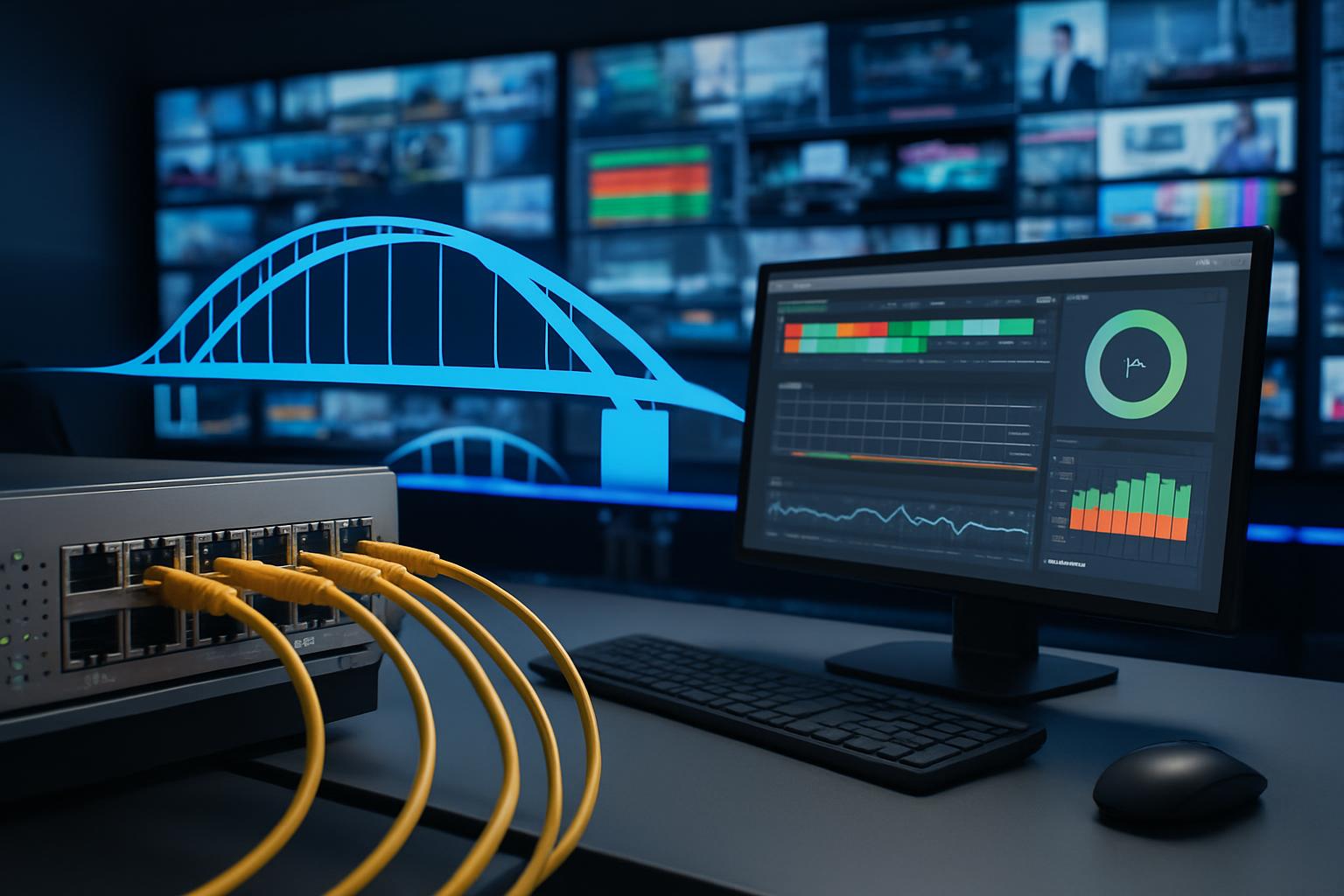
Bridge Technologies and Heynen expand IP monitoring for production visibility
Bridge Technologies described an expanded partnership with Heynen in the Netherlands, moving from a reseller agreement to a broader Business Partner collaboration. The...
Read More →
MediaKind Akamai Plan World Cup Streaming Capacity
MediaKind described operational and workflow considerations for large-scale live streaming tied to the 2026 World Cup, including concurrency, event volume, and deliver...
Read More →